How Prolonged Stress Impacts Performance
While some stress can motivate us, chronic stress significantly hinders productivity and performance. Here's the science behind it.
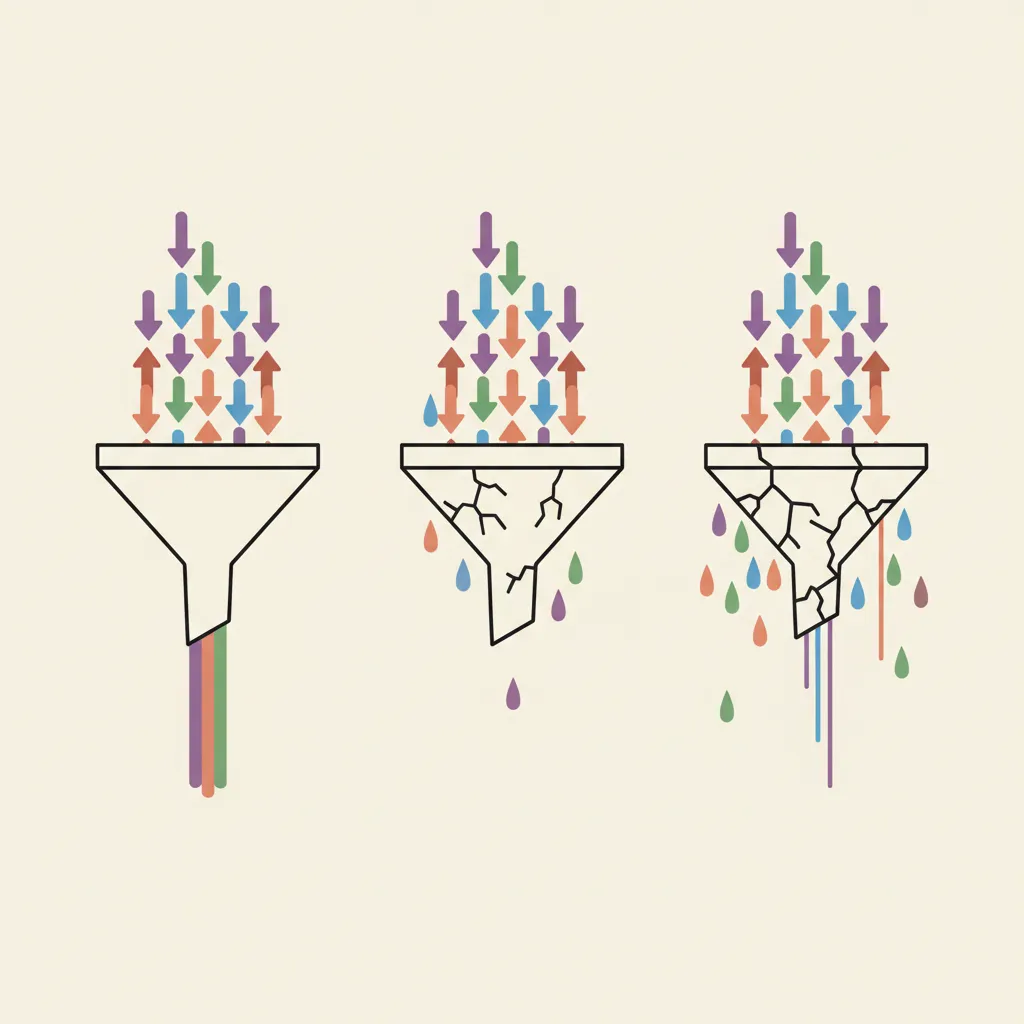
While some stress can motivate us — the rush before a deadline, the alertness during a presentation — chronic stress tells a very different story. When stress becomes your baseline rather than your exception, performance degrades across every dimension.
Five Ways Chronic Stress Undermines Performance
1. Cognitive Impairment
A 2018 study in Neurology found that elevated cortisol levels were “associated with impaired memory and reduced brain volume.” Your brain literally shrinks under sustained stress, particularly in areas responsible for memory and executive function.
2. Decision Fatigue
Chronic stress depletes mental energy, leading to poorer decision-making. Research shows that decision quality deteriorates after long periods of mental exertion. When you’re stressed, you default to habitual choices rather than thoughtful ones — which is why stressed professionals often feel like they’re running on autopilot.
3. Reduced Creativity
Research reveals that chronic stress inhibits creative thinking and problem-solving abilities. The brain’s default mode network — responsible for insight, imagination, and connecting disparate ideas — gets suppressed when the stress response is chronically active.
4. Increased Absenteeism
The American Institute of Stress reports that stress is a “significant factor in up to 80% of workplace accidents and 90% of absenteeism.” Stressed employees don’t just perform worse — they show up less, and when they do, they’re more accident-prone.
5. Burnout Risk
Prolonged stress leads to burnout, characterized by exhaustion, cynicism, and reduced professional efficacy. Burnout isn’t just being tired — it’s a fundamental disconnection from meaning and motivation.
What You Can Do
To combat these effects:
- Stress management techniques — Breathwork, mindfulness, and regular physical movement
- Regular breaks — The Pomodoro technique (25 minutes focused, 5 minutes rest) or similar structured approaches
- Healthy work-life balance — Boundaries around work hours, dedicated recovery time
- Sleep prioritization — Cognitive performance is directly proportional to sleep quality
A 2020 meta-analysis found that workplace stress management interventions can significantly improve both mental health and performance outcomes. The ROI on stress management isn’t just personal — it’s professional.
If stress is affecting your work performance, our coaching programs can help you build sustainable strategies.
Ready to Understand Your Pattern?
Take the assessment and get a personalized action plan based on your specific stress pattern.
Take the Assessment