Prolonged Stress and Mental Health: Tips for Recovery
Chronic stress significantly impacts mental wellbeing, but recovery is achievable through evidence-based approaches.
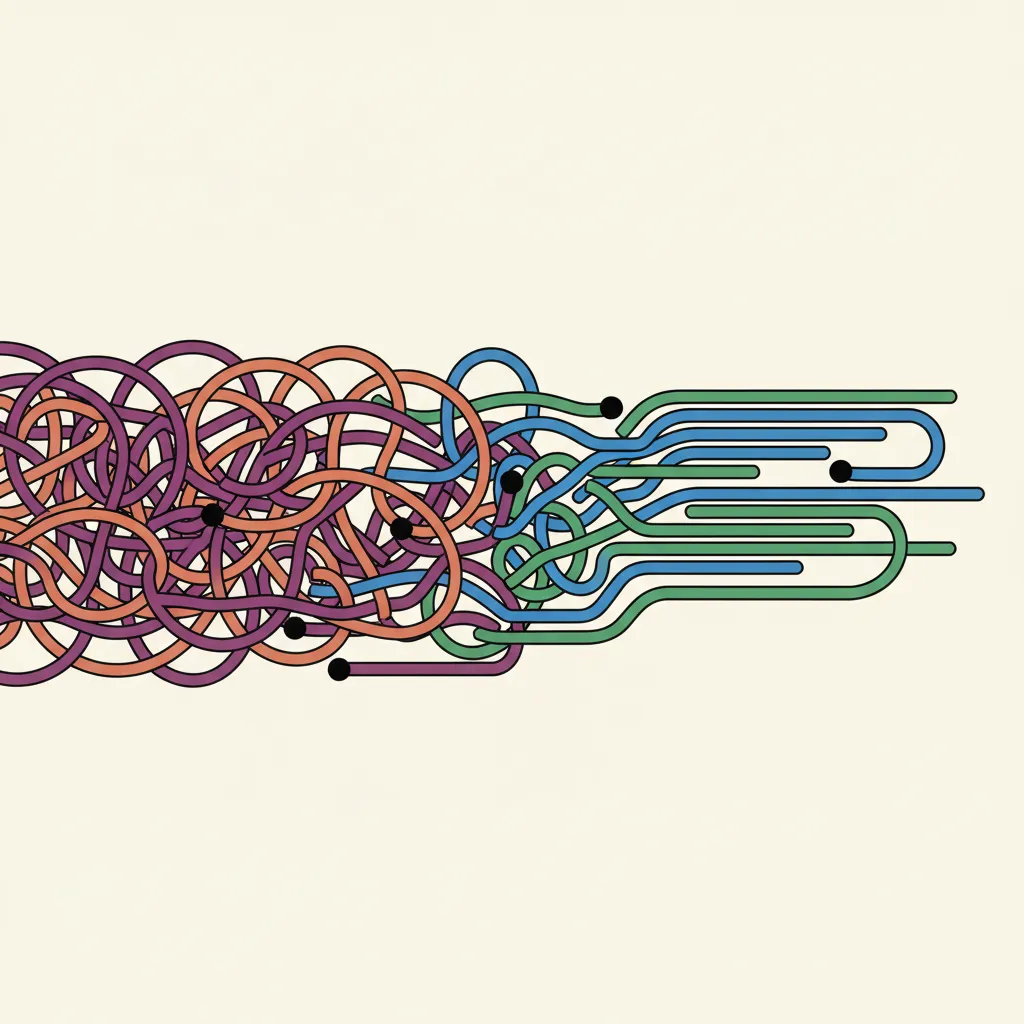
Chronic stress significantly impacts mental wellbeing. The good news: recovery is achievable through evidence-based approaches. Here are eight strategies backed by research.
1. Seek Professional Help
Mental health professionals, particularly those trained in Cognitive Behavioral Therapy (CBT), can effectively address stress-related concerns. Health coaching offers a complementary alternative — while therapy explores the “why,” coaching focuses on the “what now” and “what next.”
2. Start with Environment or Emotions
Determine whether addressing your physical surroundings or your emotional responses works best initially. Some people need to change their environment first (reducing exposure to stressors) before they can process emotions. Others need emotional tools first to cope while they work on environmental changes. Neither approach is wrong — pick the one that builds momentum for you.
3. Practice Mindfulness
A 2018 study in the Journal of Clinical Psychology found that “mindfulness-based interventions can significantly reduce symptoms of anxiety and depression.” Start small: 5 minutes of focused breathing or a guided meditation app. Consistency matters more than duration.
4. Exercise Regularly
A 2020 study found that regular exercise improves mood while reducing depression and anxiety symptoms. You don’t need to run marathons — 30 minutes of walking, 3-4 times per week, produces significant mental health benefits. The key is finding movement you actually enjoy.
5. Prioritize Social Connection
“Social connection can buffer against the negative mental health impacts of stress,” according to 2021 research published in Psychiatry Research. This doesn’t mean you need a large social circle. Even one or two meaningful relationships provide significant protective benefits. Quality over quantity.
6. Prioritize Sleep
Quality sleep directly correlates with improved mental wellbeing. Poor sleep amplifies negative emotions, impairs decision-making, and reduces resilience. Aim for 7-9 hours with consistent timing. If sleep is a persistent challenge, address it as a priority rather than an afterthought.
7. Eat Well
Mediterranean-style diets show promise in depression prevention based on 2019 research. The gut-brain axis is real: what you eat directly affects your neurotransmitter production. Focus on whole foods, omega-3 fatty acids, and reducing processed sugar.
8. Practice Self-Compassion
Treating yourself kindly reduces stress’s negative mental health effects. This isn’t about lowering standards — it’s about treating yourself with the same understanding you’d offer a friend going through a difficult time.
A Note on Recovery
Recovery is gradual. There will be good days and harder days. This is normal, not a sign of failure. Professional support is always available when you need it, and reaching out is a sign of strength, not weakness.
If chronic stress is affecting your mental health, talk to our team about building a recovery plan. We combine coaching with lifestyle interventions for a whole-person approach.
Ready to Understand Your Pattern?
Take the assessment and get a personalized action plan based on your specific stress pattern.
Take the Assessment